
Every1 Opens Its Full Knowledge Library as Three-Year EU Energy Project Closes
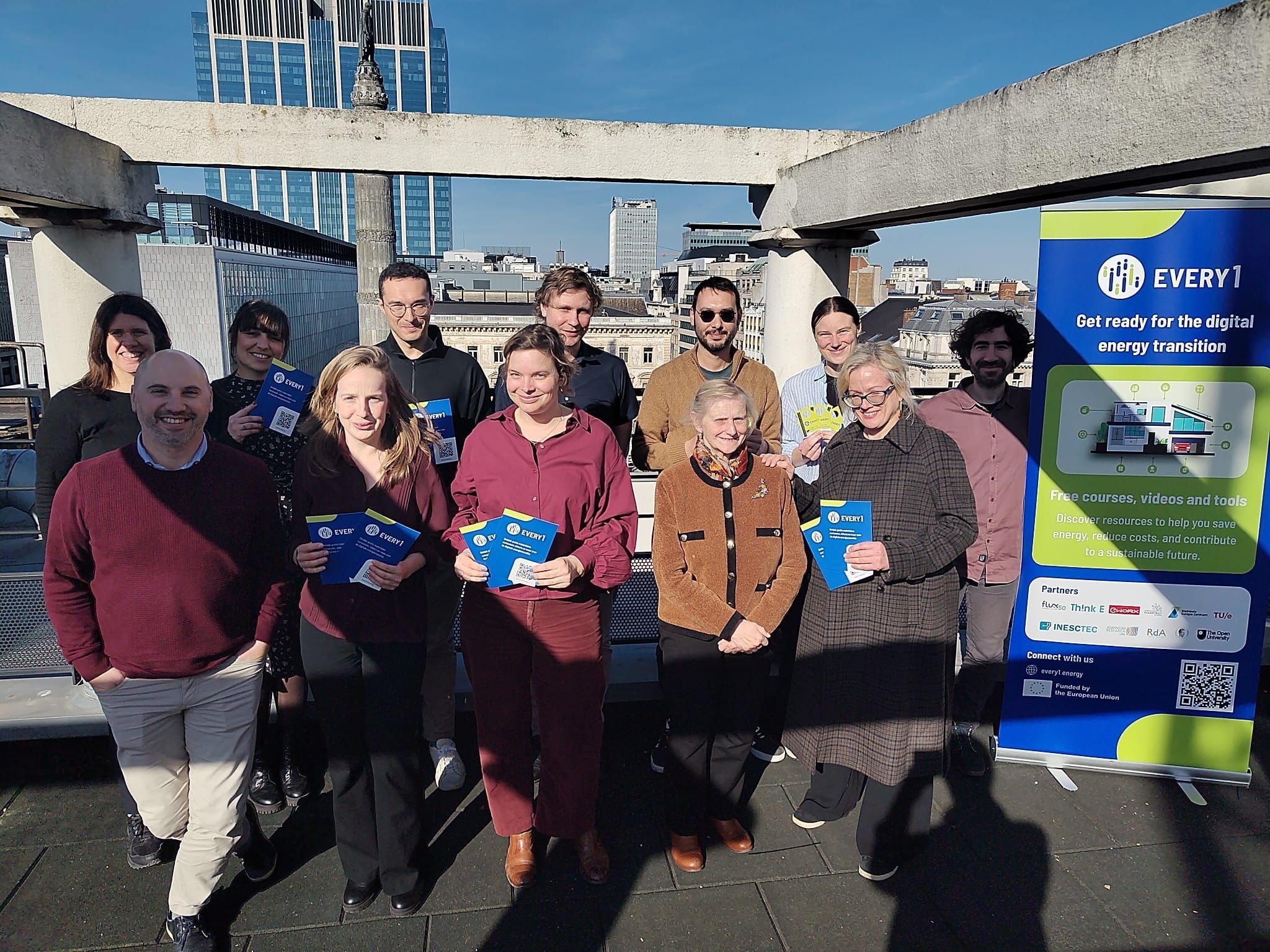
Free courses, tools and learning pathways on the digital energy transition are now publicly available following the conclusion of the Horizon Europe-funded Every1 project.
Every1, a European Union-funded initiative supporting inclusive participation in the digital energy transition, concluded in April 2026 after three and a half years. The project has published its full output as open educational resources, freely available to citizens, municipalities, energy communities and industry professionals across Europe.
The project received €3.28 million under Horizon Europe and involved 11 partners from 7 European countries, bringing together leading experts in energy, education, social sciences and digital innovation.
What is now available
The Every1 Knowledge Hub brings together learning pathways, online courses, video guides, case studies and a tool repository covering topics including renewable energy, smart technologies, energy communities, building renovation and data privacy. All materials are licensed under Creative Commons and can be reused and adapted freely.
A modular toolkit developed during the project is also openly available, designed to support capacity building at the local and regional level and adaptable to different audiences.
Explore the Knowledge Hub: every1.energy/knowledge-hub
Access the toolkit: open.edu/openlearncreate/course/view.php?id=18230
Join the community
A LinkedIn group continues the conversation for practitioners, policymakers and organisations active in the digital energy transition.
Join here: www.linkedin.com/groups/10068389/
About Every1
Every1 ran from November 2022 to April 2026, funded by the European Union. The project mapped knowledge gaps across the energy ecosystem and developed tailored learning materials and capacity-building tools to bring diverse stakeholders into the digital energy market.
Views and opinions expressed are those of the project consortium and do not necessarily reflect those of the European Union or the European Research Executive Agency.