Clusters Are the Infrastructure. Here Is What That Means for ICN.
ICN's Annual Meeting in Copenhagen confirmed what many already know: climate innovation does not stall for lack of ambition. It stalls for lack of infrastructure. Here is what that means for the network.
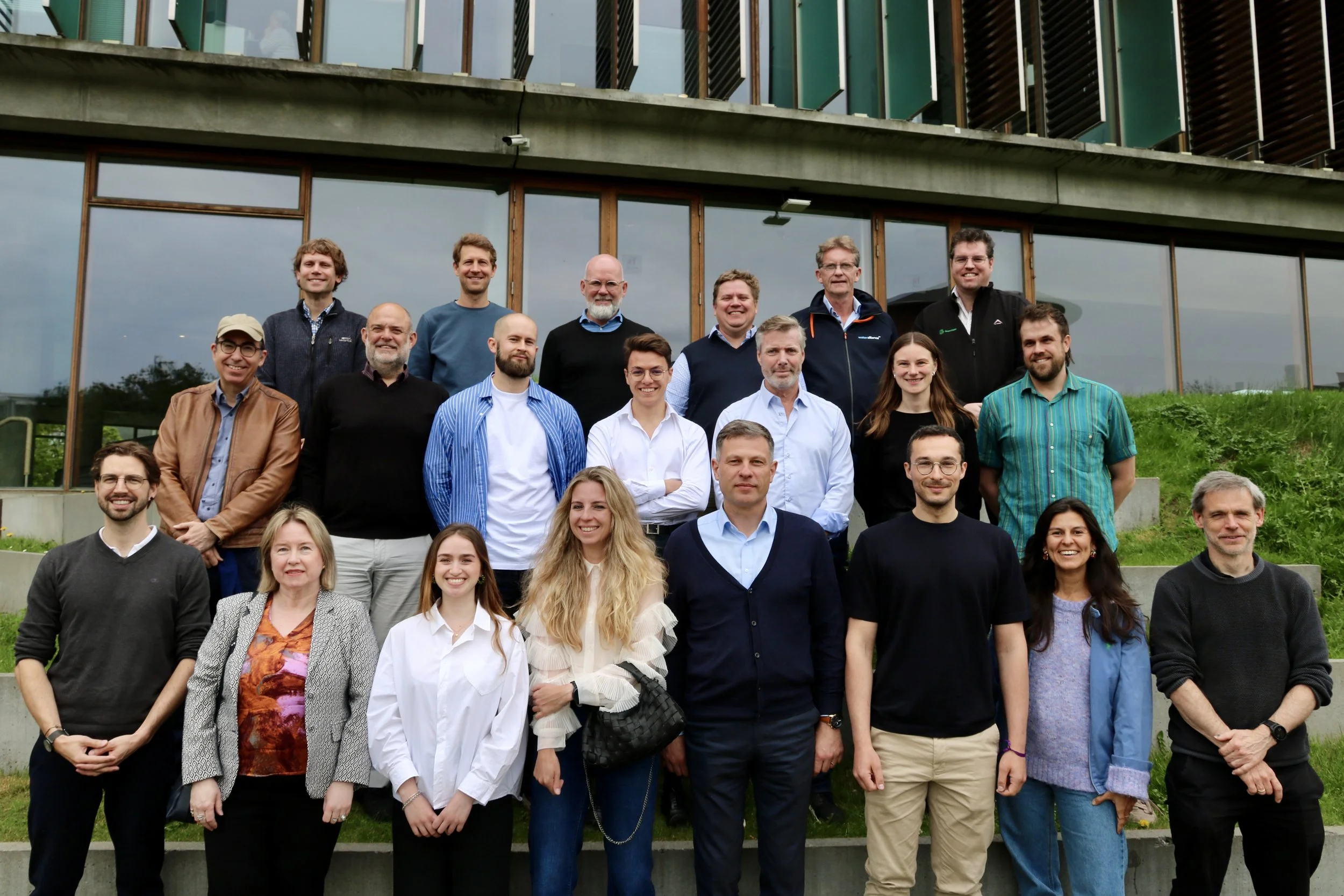
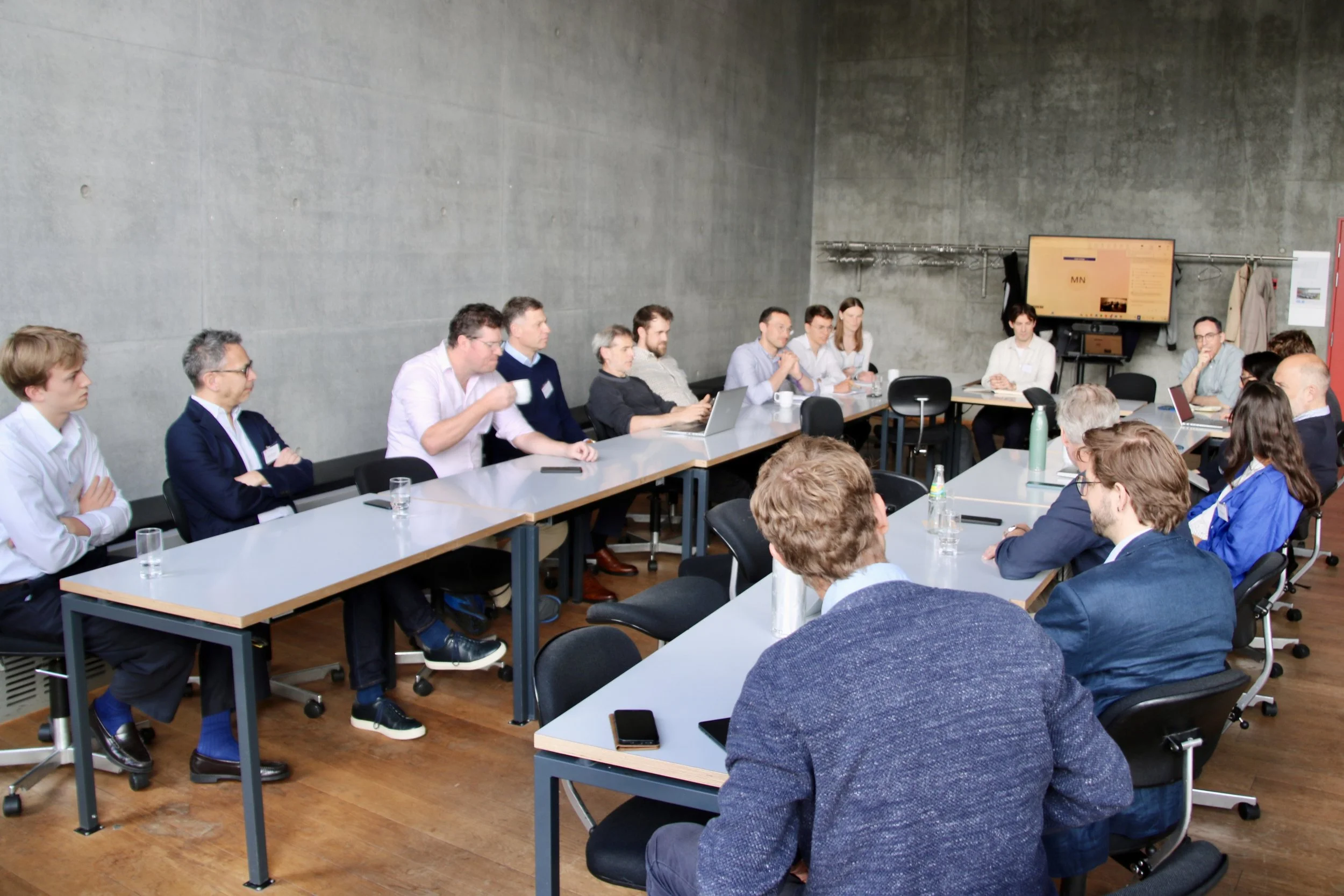
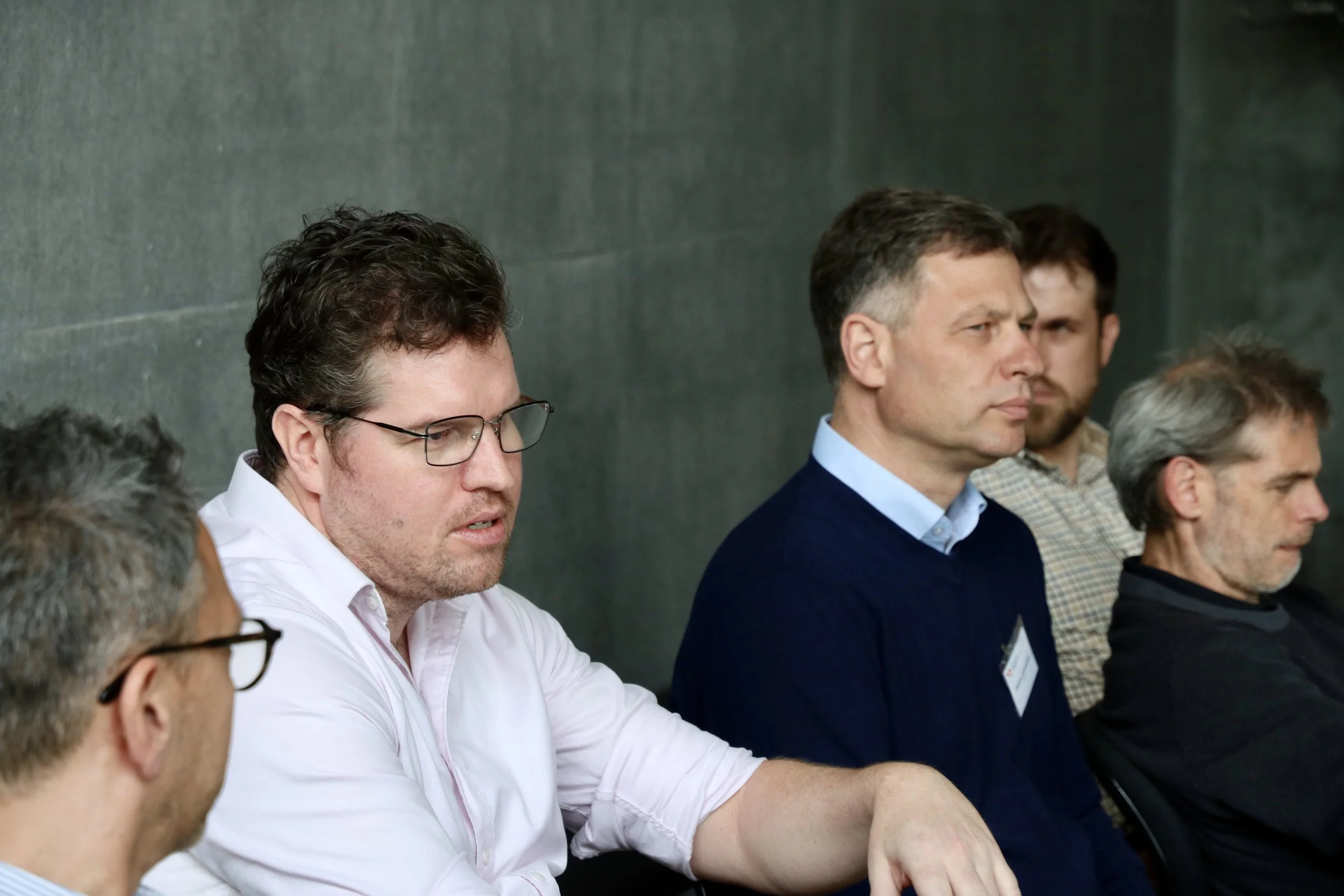
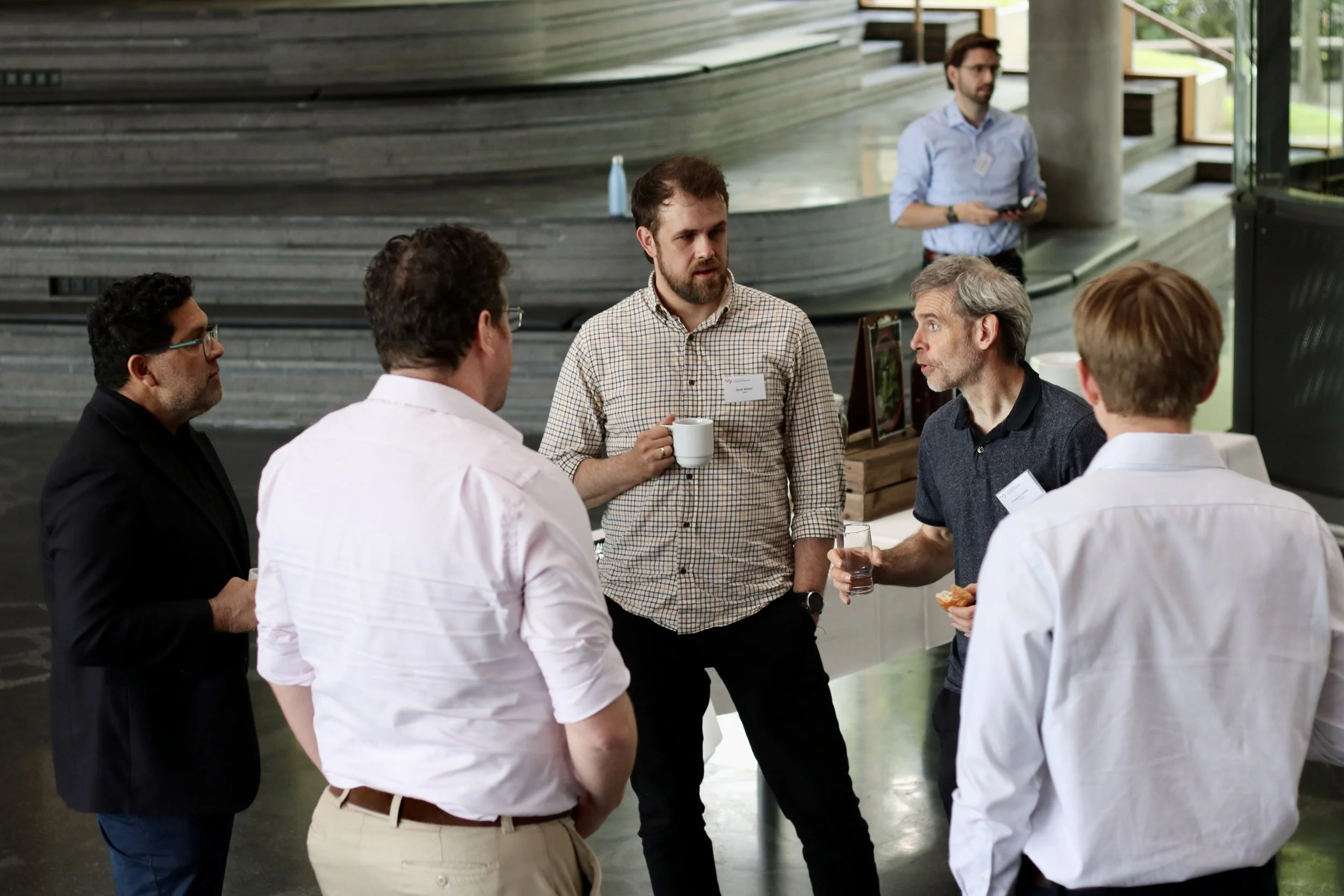
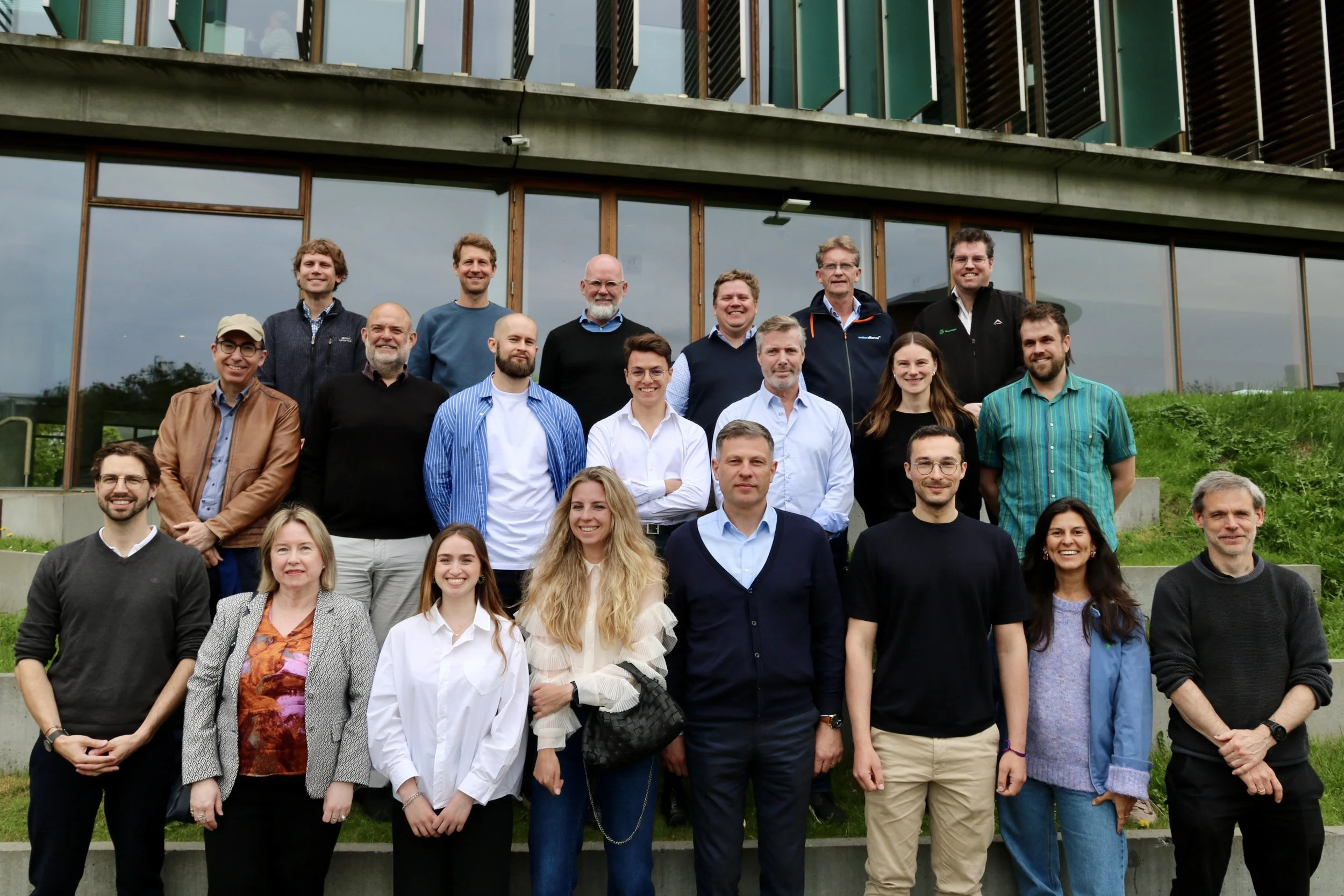
Last week, twenty cleantech clusters from four continents gathered in Copenhagen for the ICN Annual Meeting. Three days, one conclusion that has never felt more urgent: the gap between a city with a problem, a company with a solution, and a funding mechanism that could connect them is not a technology gap. It is an infrastructure gap. And clusters fill it.
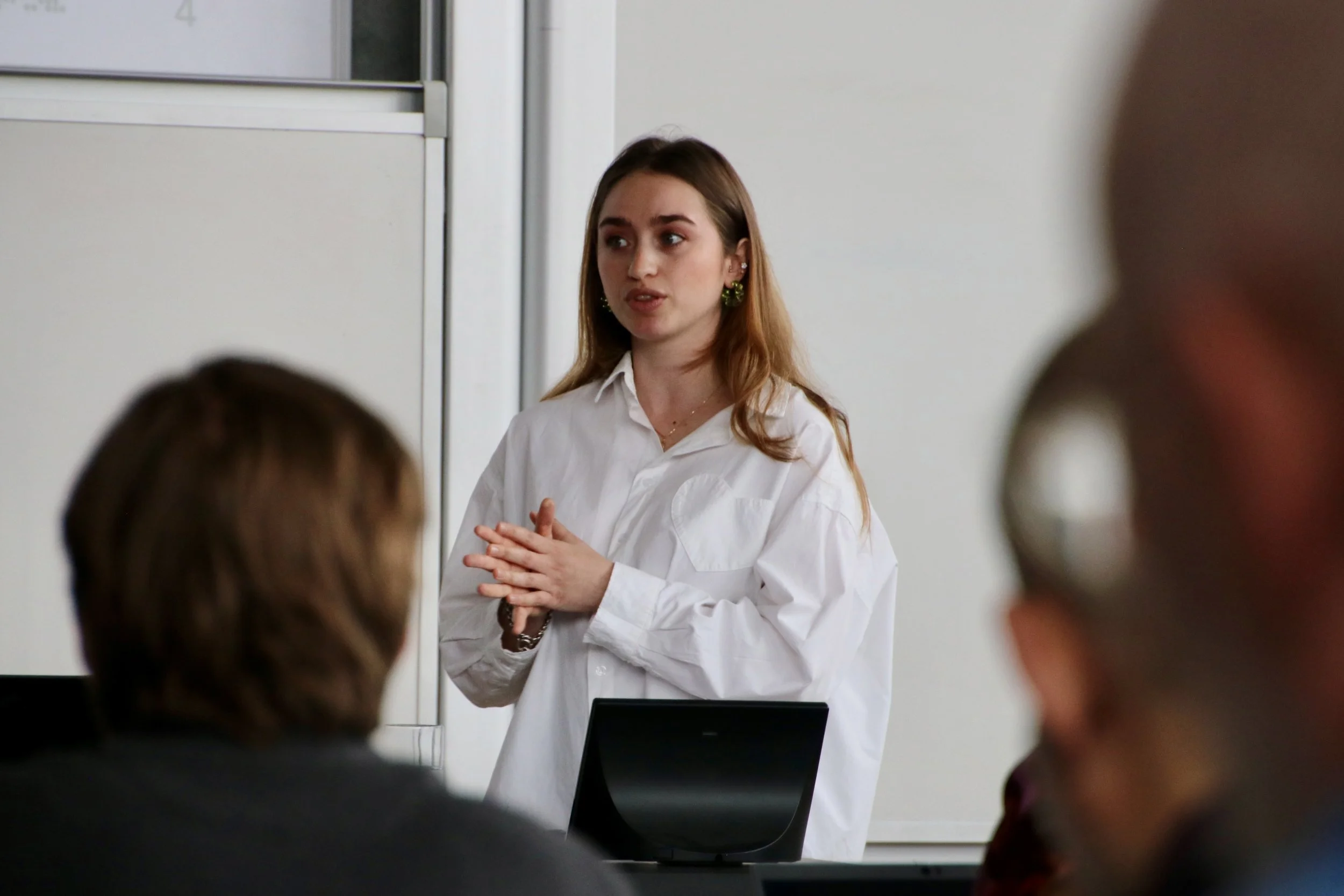
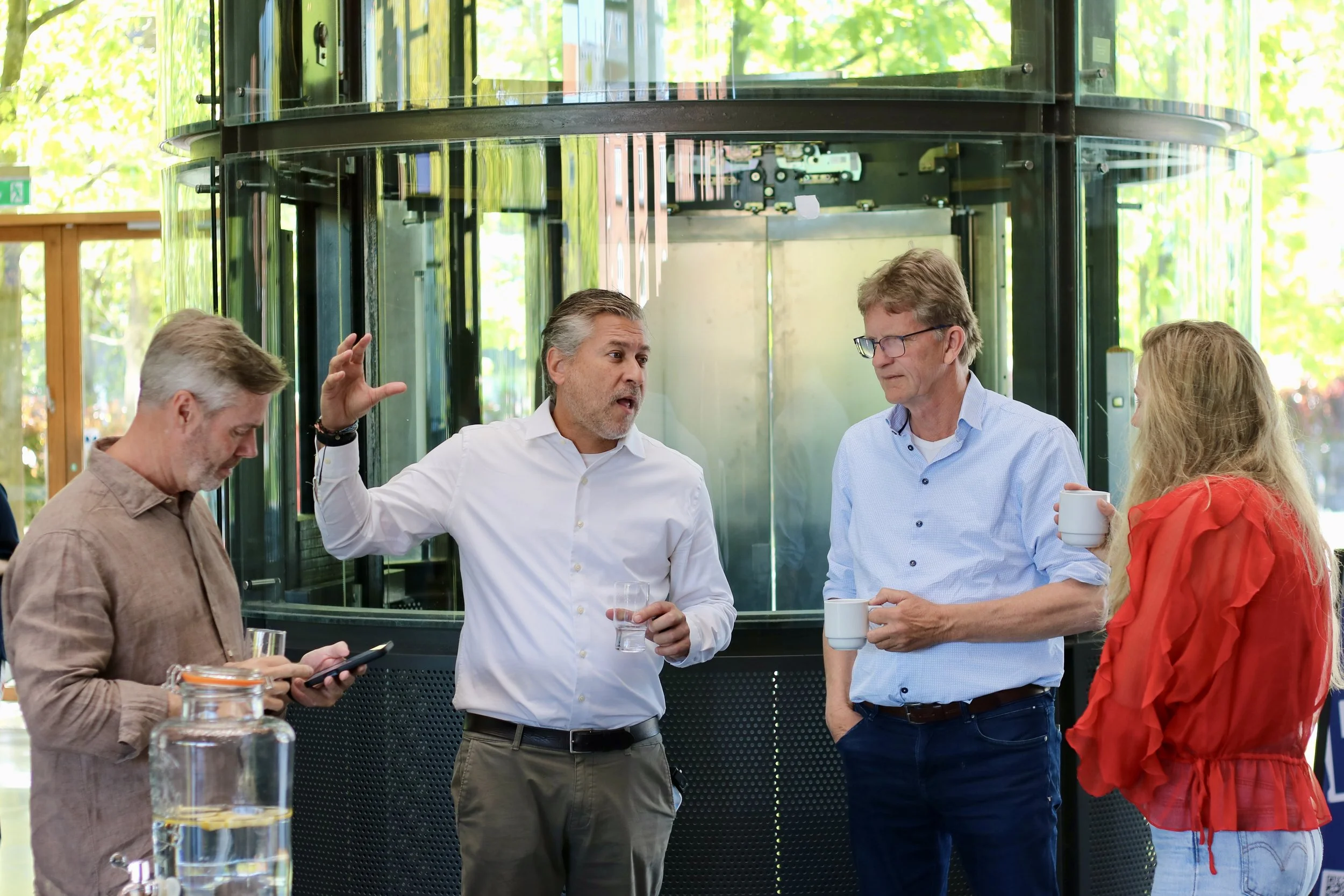
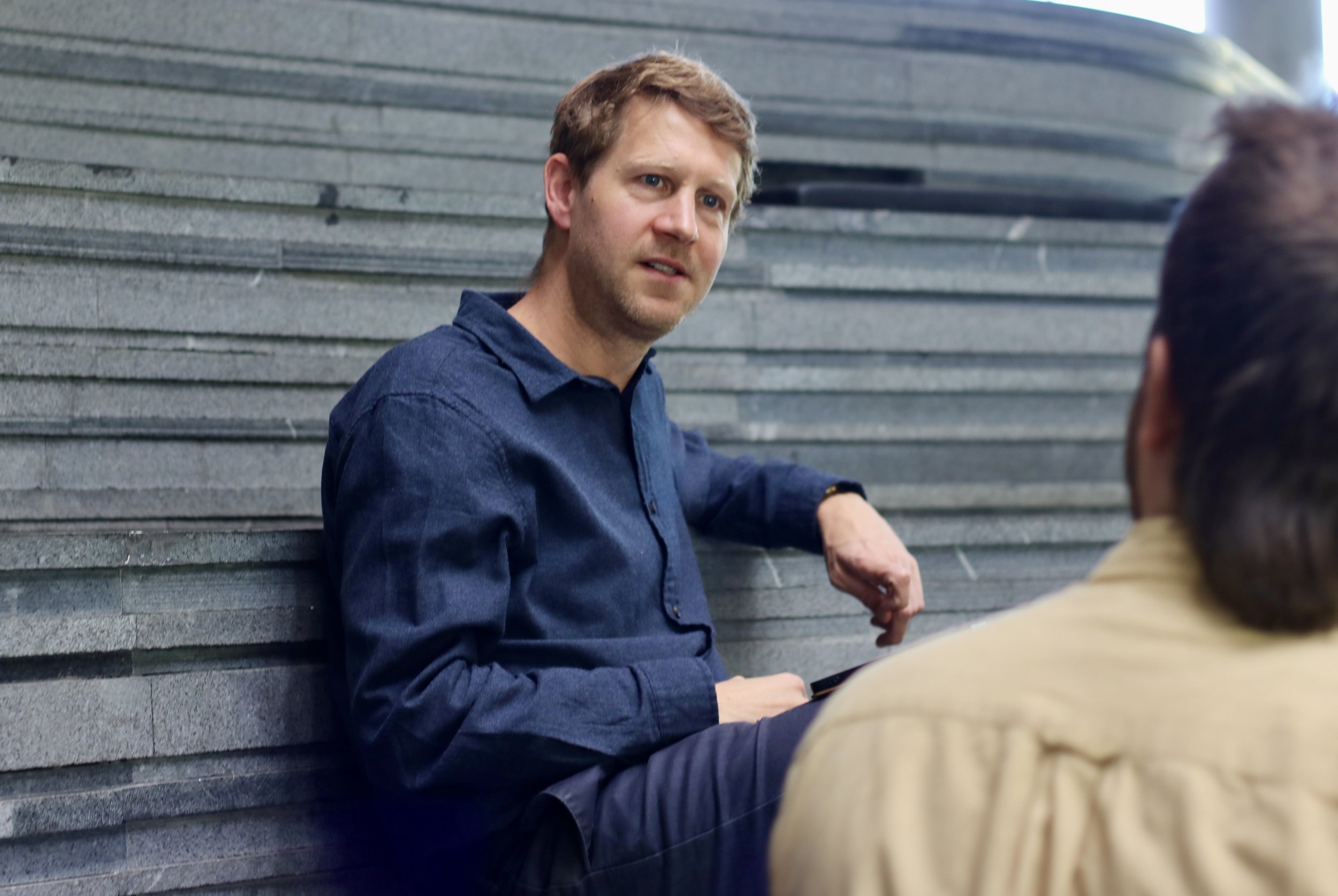
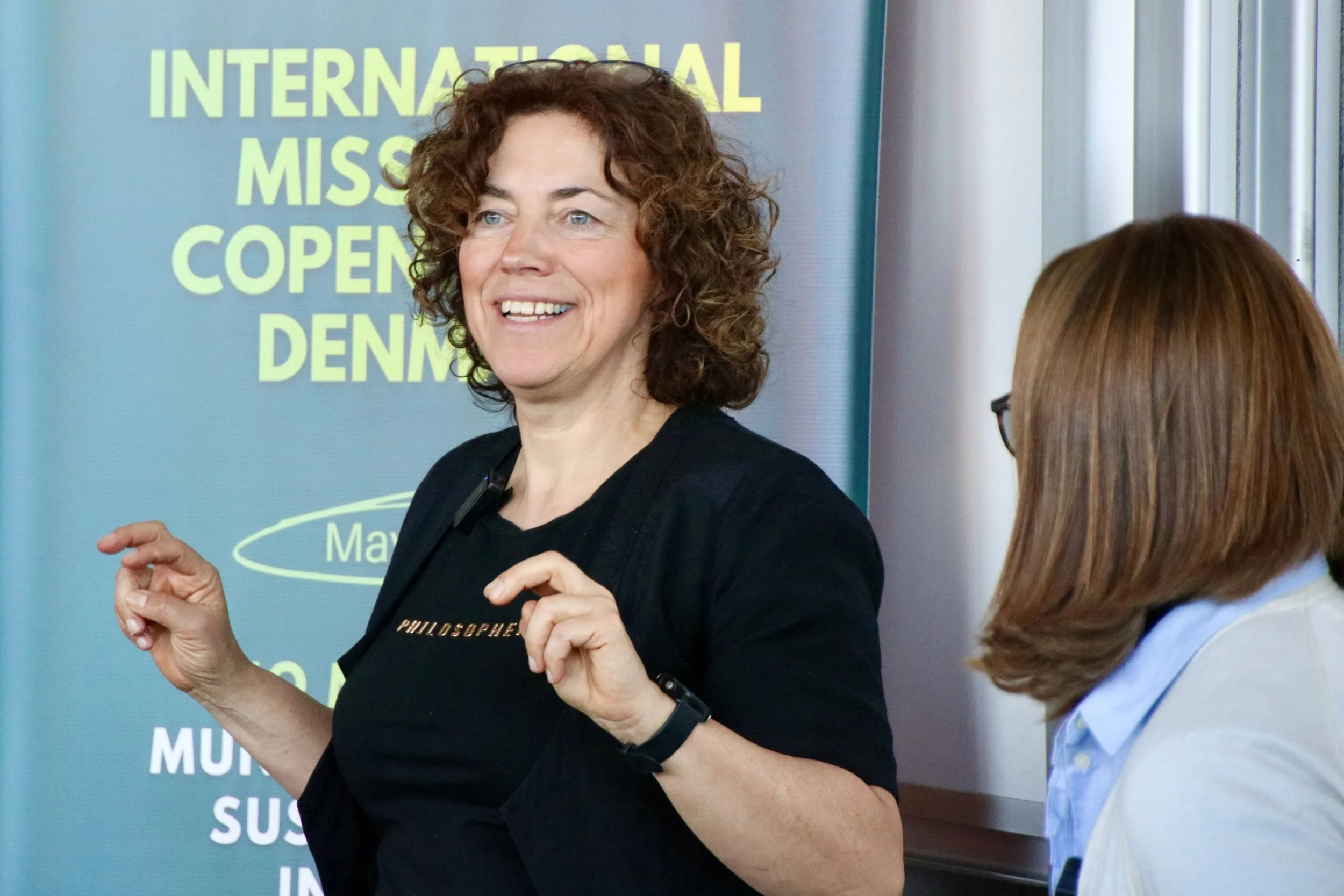
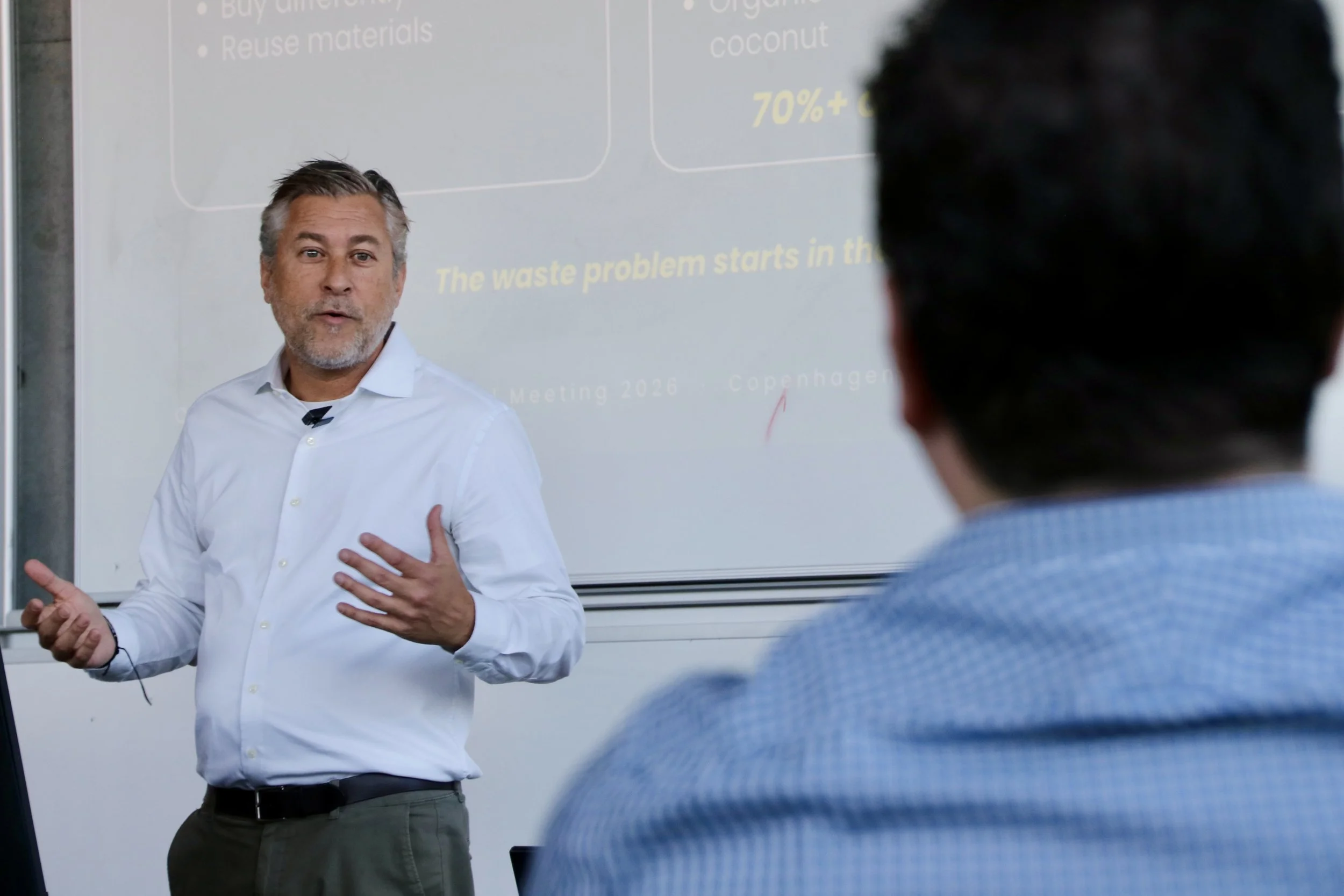
The Annual Meeting, hosted by ICN member Clean at Copenhagen Business School, brought that argument to life across three days of sessions, roundtables, and conversations with some of the organisations that have the most at stake in getting the green transition right.
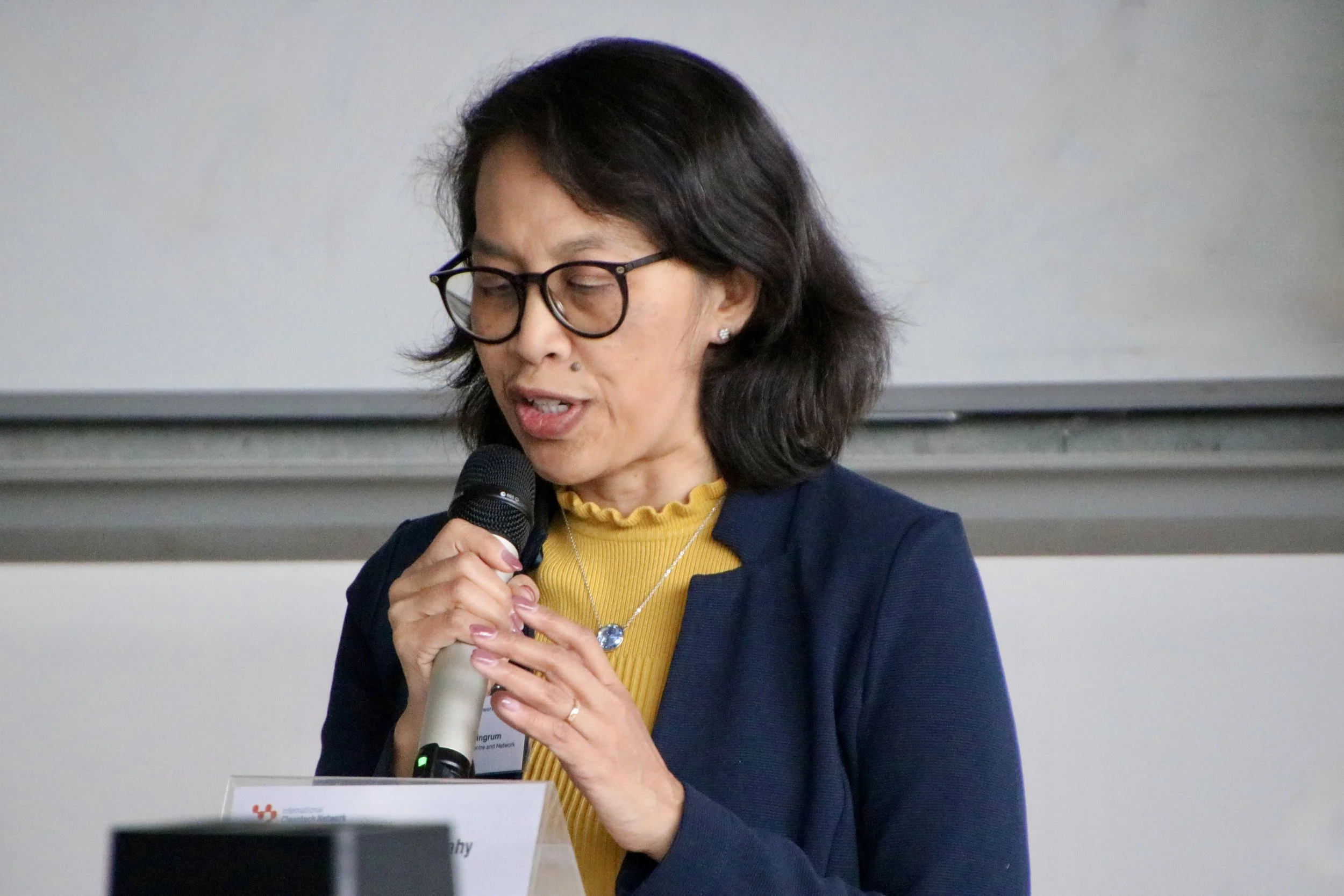
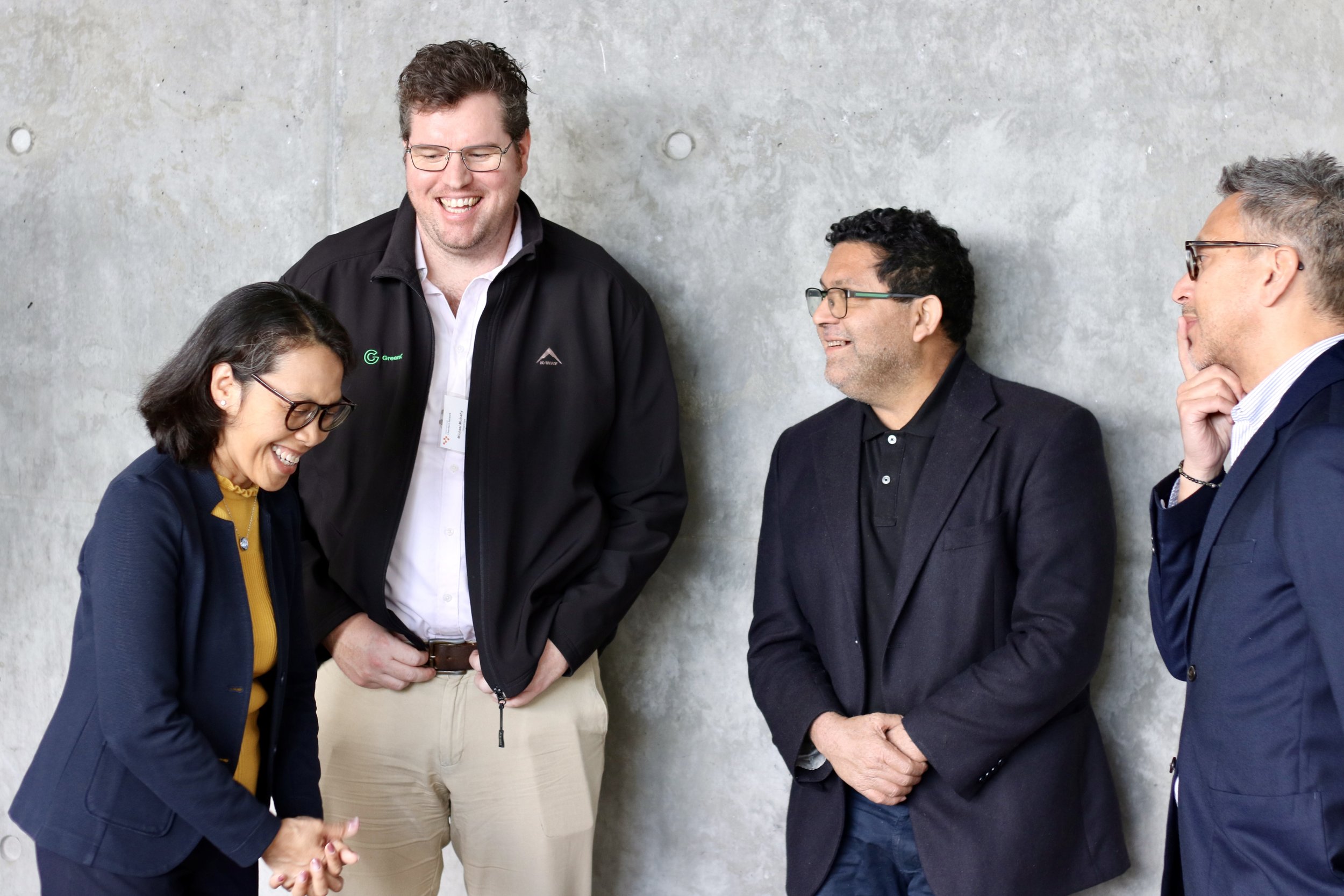
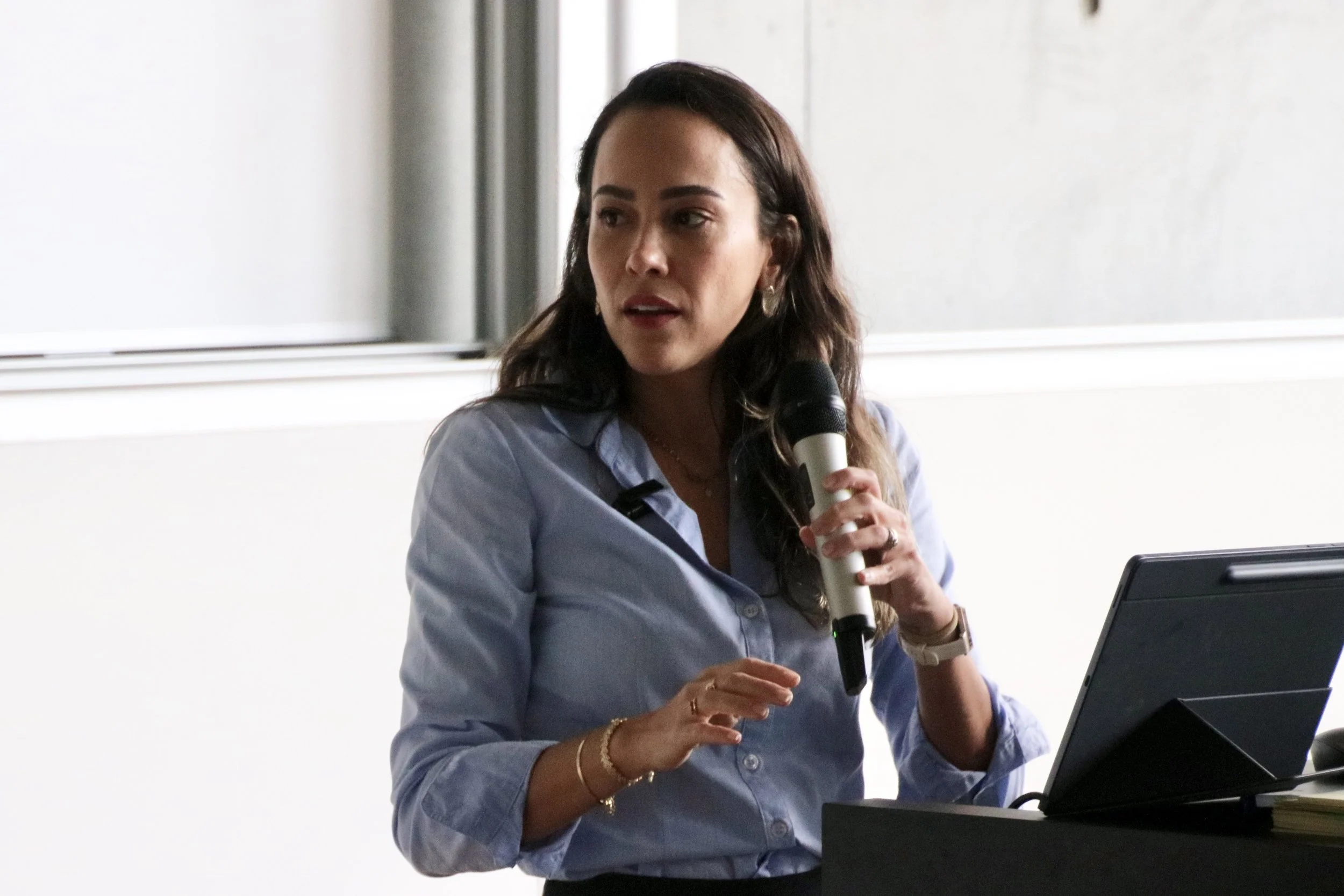
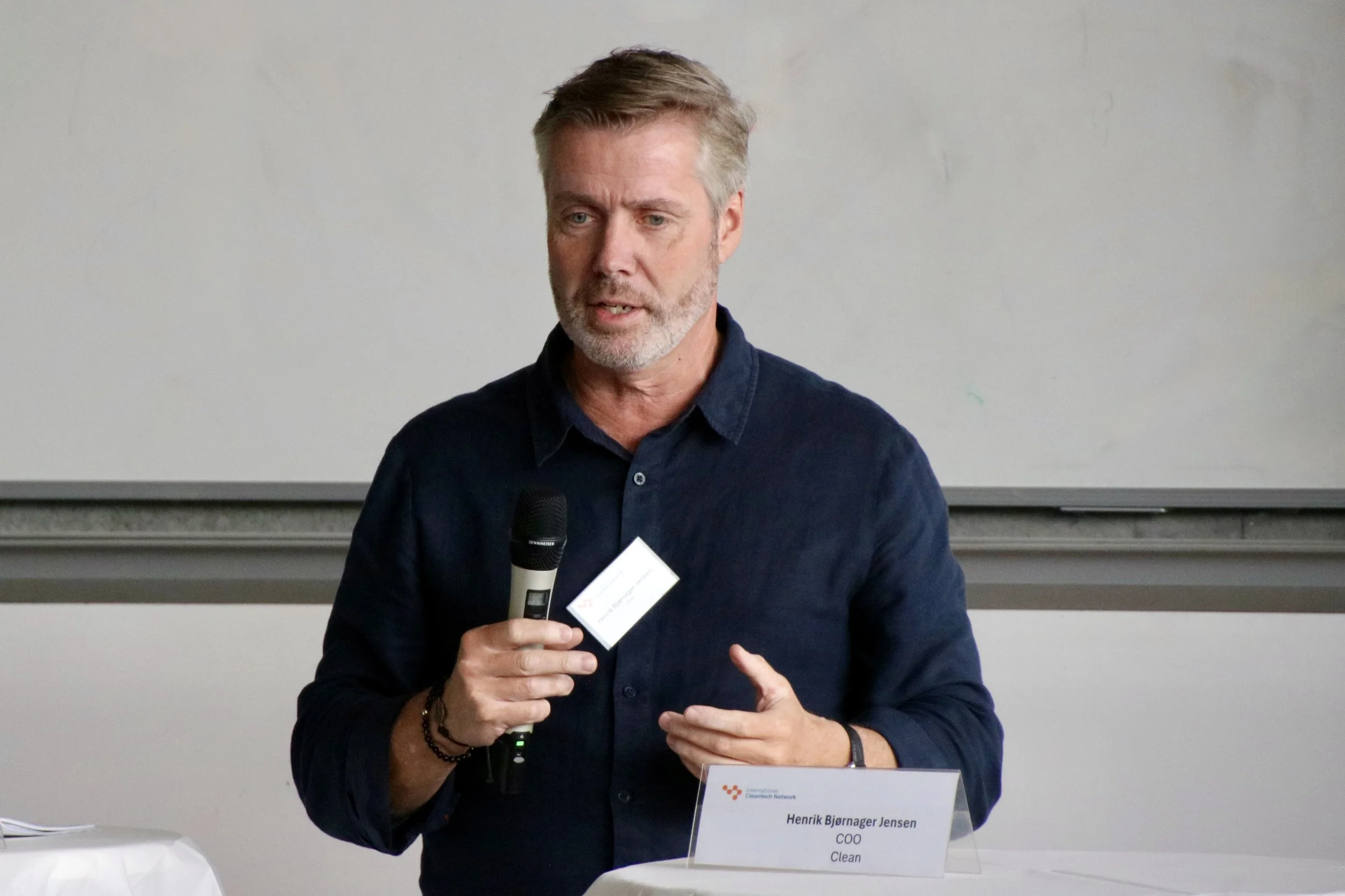
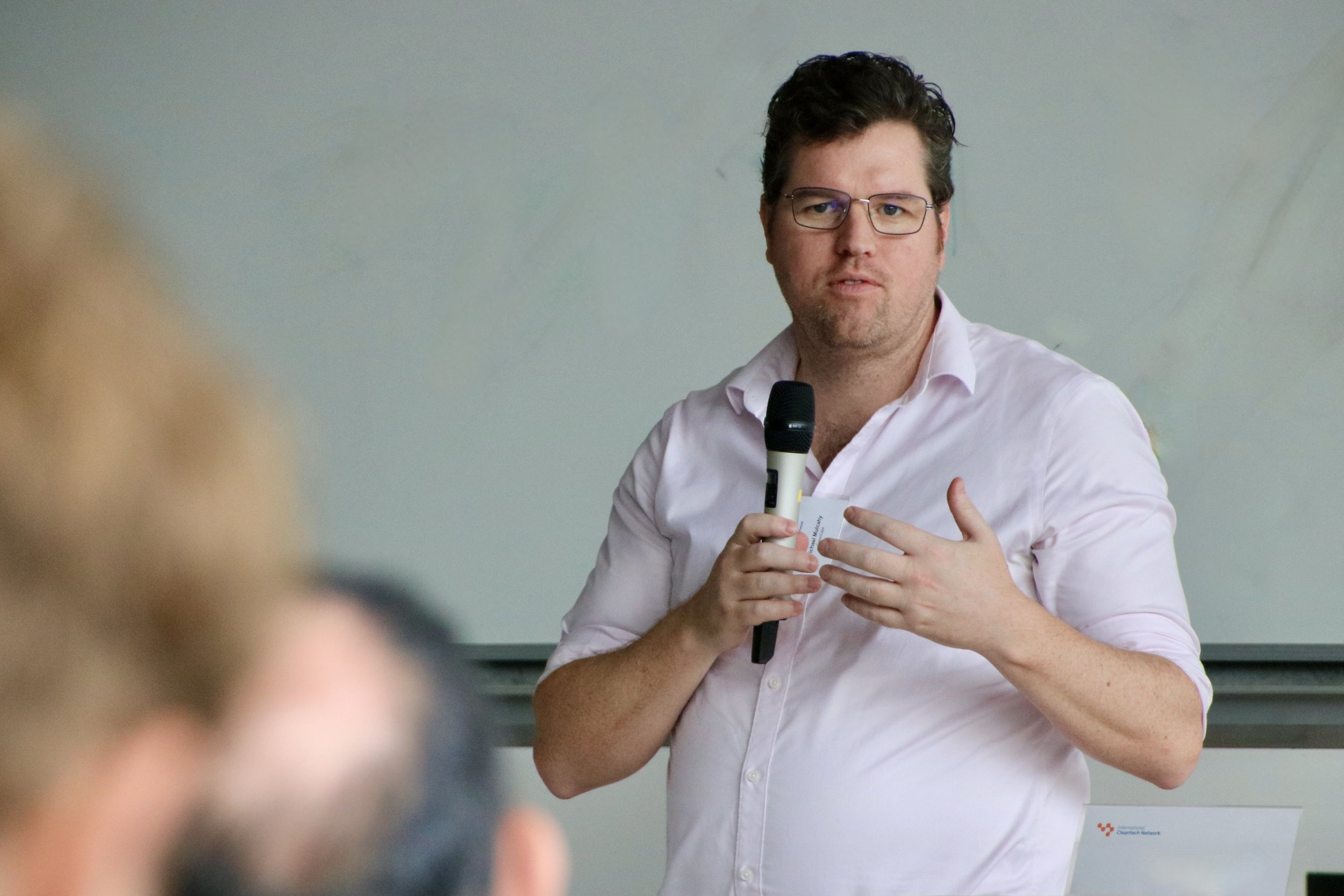
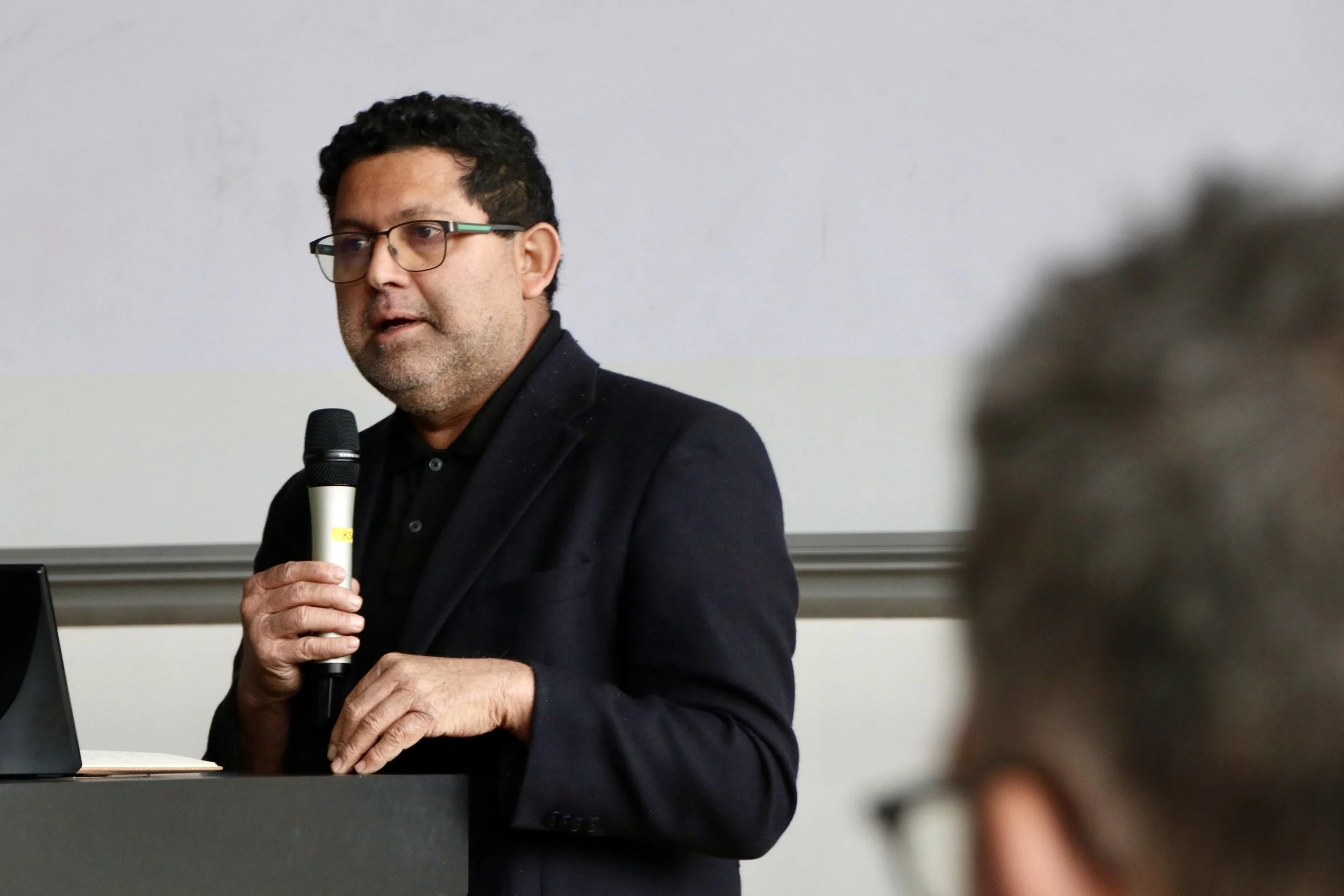
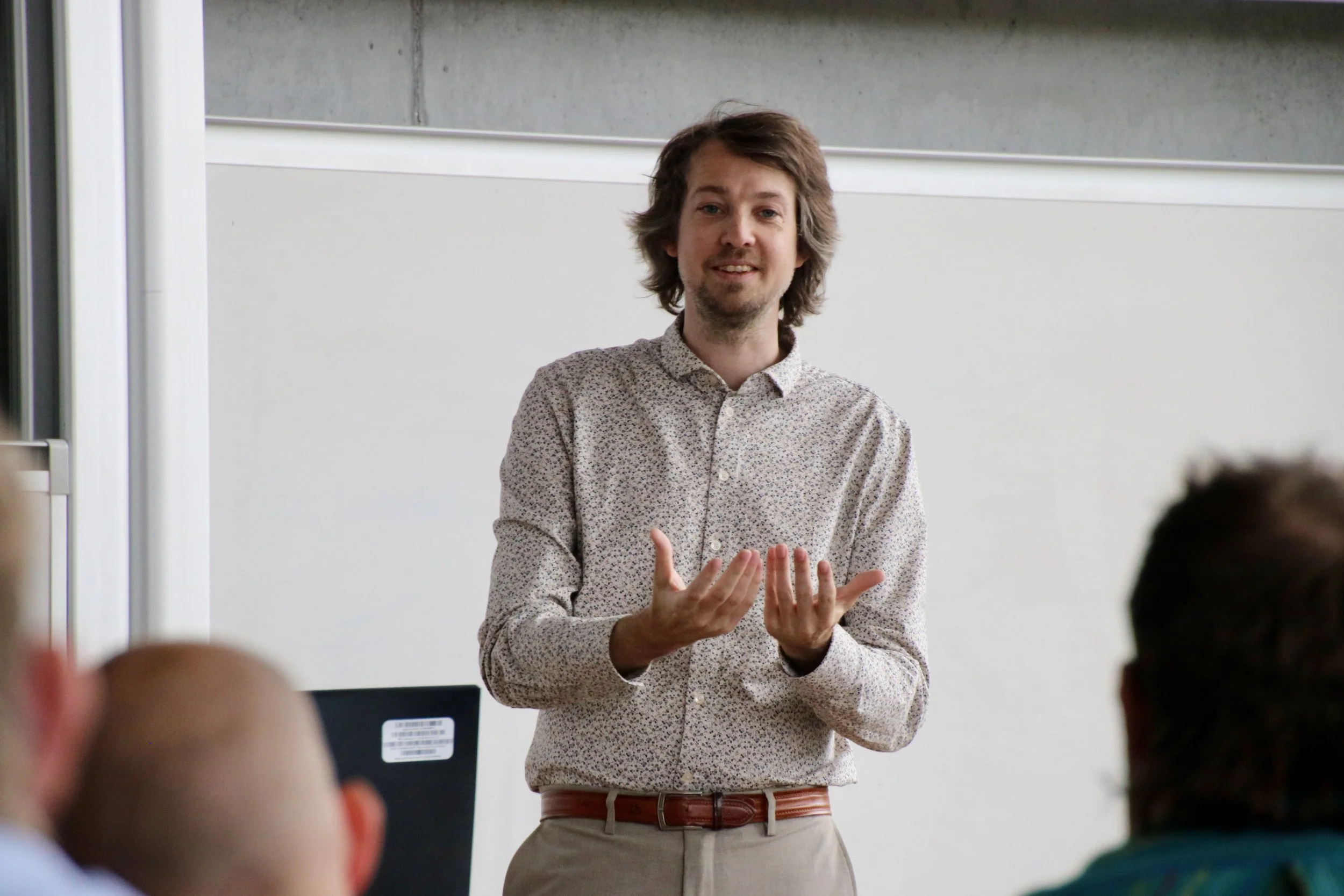
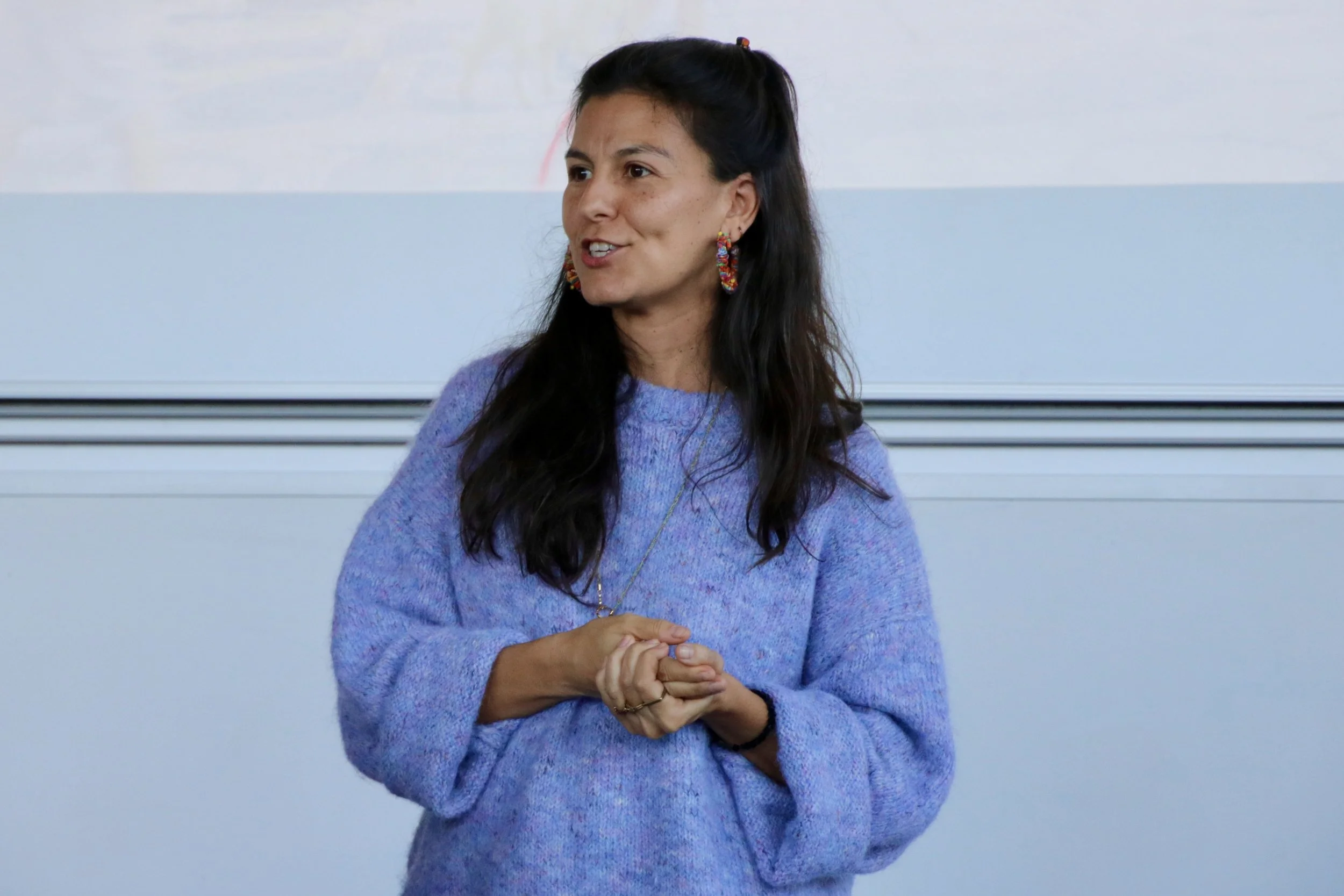
On the final day, Ariesta Ningrum from the UN Climate Technology Centre and Network made the case plainly: structured global collaboration, not ad hoc relationships, is what accelerates the deployment of climate solutions across regions. Saliem Fakir from the African Climate Foundation and Michael Mapstone from the Anglo American Foundation brought the perspective of those who fund and enable that work. The room also hosted representatives from development finance institutions, city governments, and research institutions across three continents.
What the conversation confirmed is that clusters are not local development zones. They are operating infrastructure for climate innovation. They hold the trust of the public sector, the innovators, and the funders simultaneously, and they move between all three in ways that individual organisations cannot.
The international opportunity is real
For ICN, this is the point. The network exists to connect that infrastructure globally, so that a solution developed and tested in one region can find its way to a market where it is needed, with the relationships and pipelines already in place to make it happen.
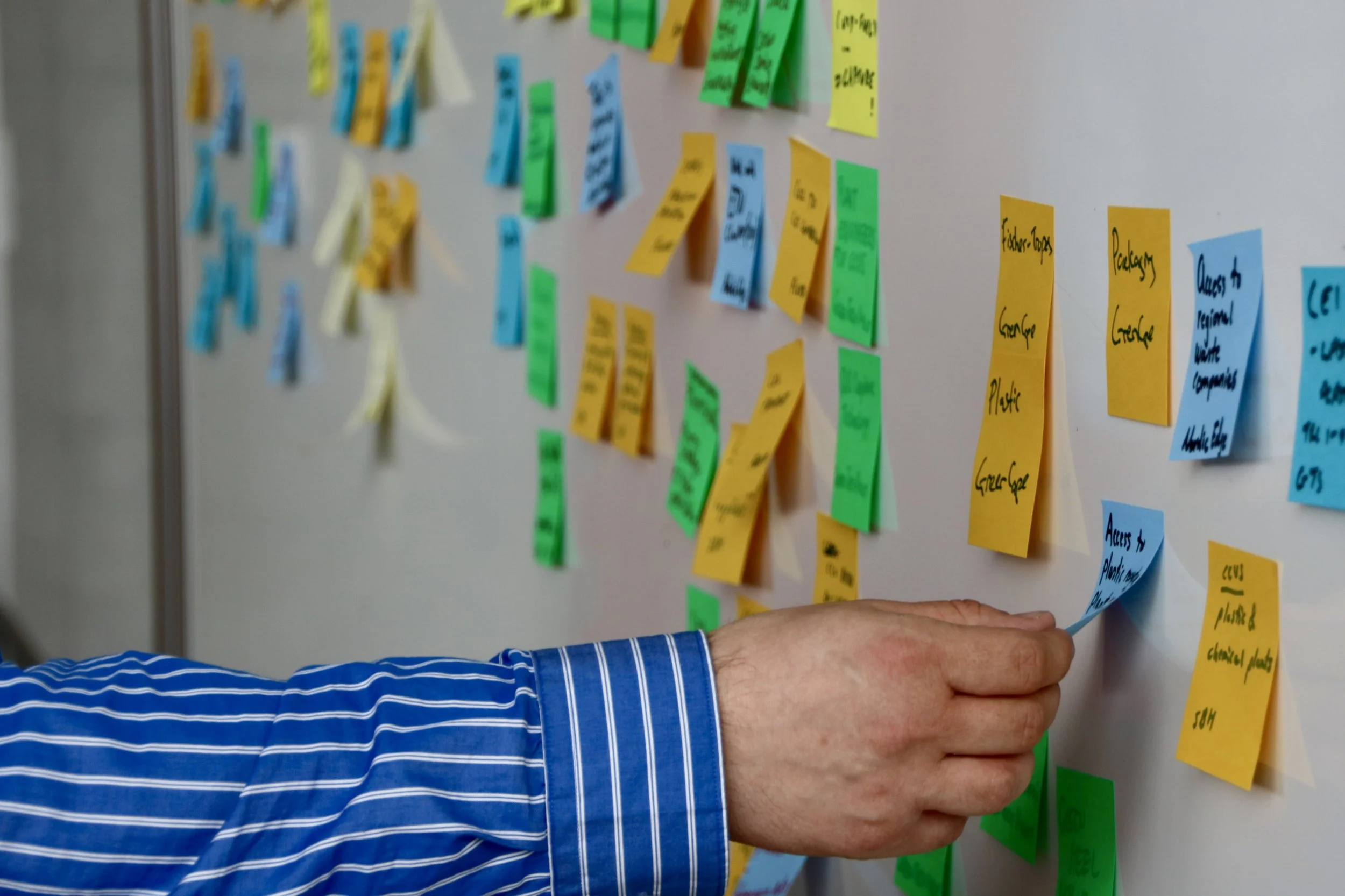
The Annual Meeting produced exactly that kind of progress, across industrial symbiosis, sustainable tourism, sanitation, hydrogen and CCUS, and the question of how to build new cluster organisations in markets where none yet exist.
These activities are co-funded by the European Union.