
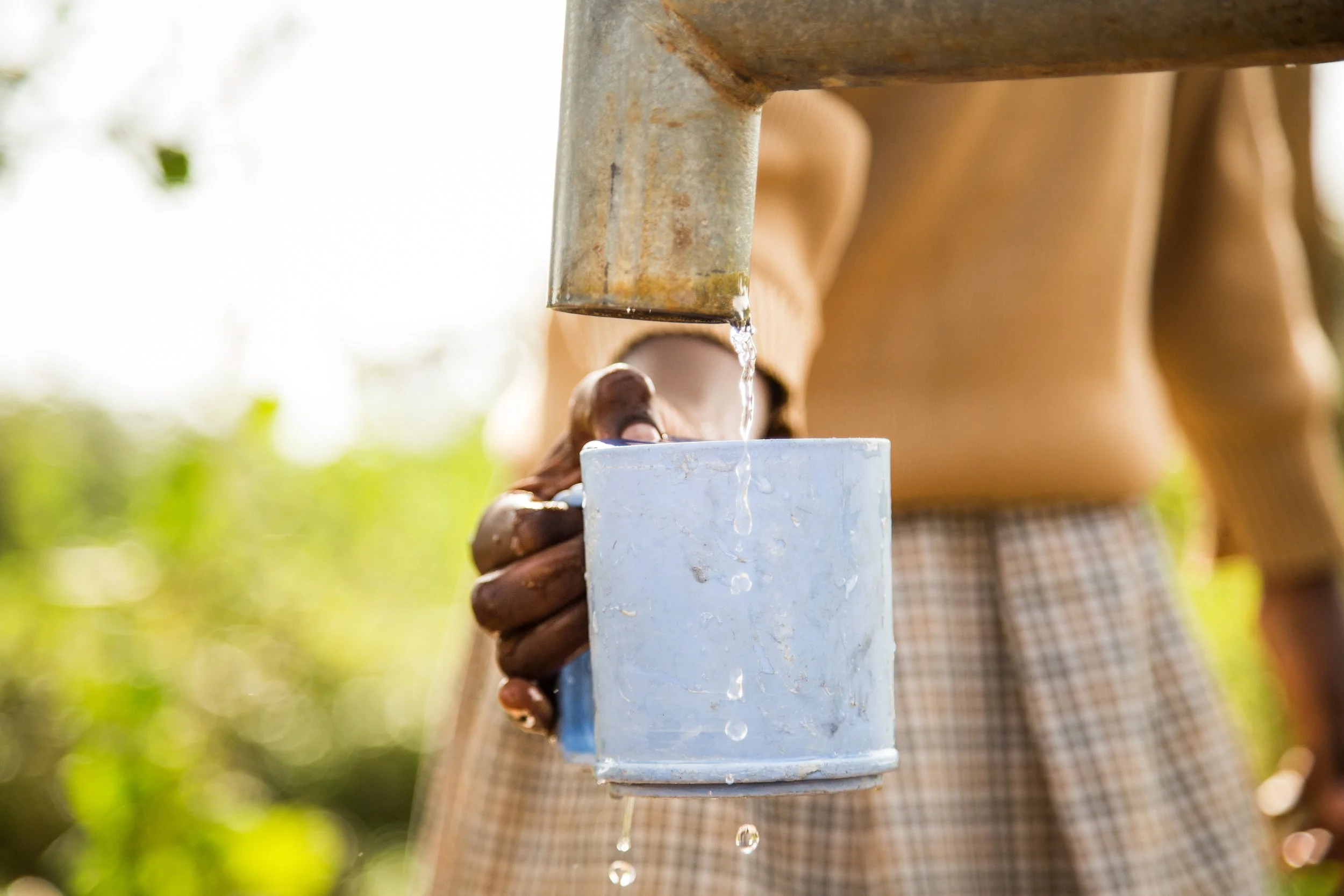
ICN helps to link global innovators to real-world water and sanitation needs.
As a network of networks, ICN connects cleantech clusters from around the world to accelerate sustainable innovation. By linking companies, researchers, and public authorities, we help turn local solutions into scalable international impact, including the Water, Sanitation and Hygiene (WASH) sector.
This work has direct and real world implications. For many communities, water means long walks to unreliable sources. Sanitation means managing waste with limited infrastructure, often posing severe health risks. And hygiene means being able to wash hands, clean homes, and prevent disease—simple acts that depend on systems that too often fail.
“The reality of it is that we still have enormous gaps between innovation, funding, implementation, and long-term impact,” says ICN’s Thematic Group Water Lead Scott Allison, reflecting on his recent trip to Kenya for I4WASH: a gathering of practitioners, innovators, youth representatives, and international actors working to improve Water, Sanitation and Hygiene (WASH) outcomes.
A Week in Kenya’s WASH Landscape
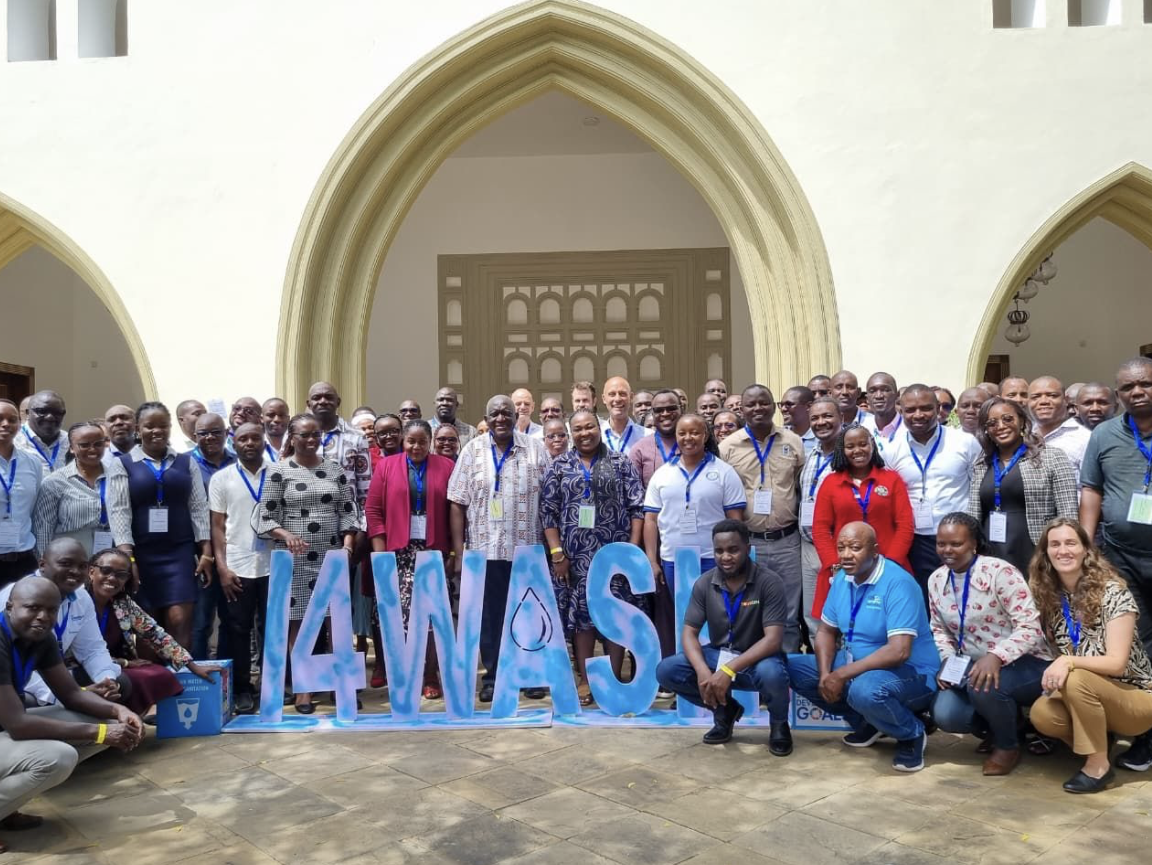
For four busy days, Scott represented Clean, Water4All, and the International Cleantech Network (ICN) at I4WASH in Malindi and Nairobi. The event brought together local governments, start-ups, NGOs, researchers, and international networks—an ecosystem with ambition, insight, and urgency.
The journey also involved a visit to the Danish embassy in Nairobi, where Scott discussed possible joint activities for 2026.
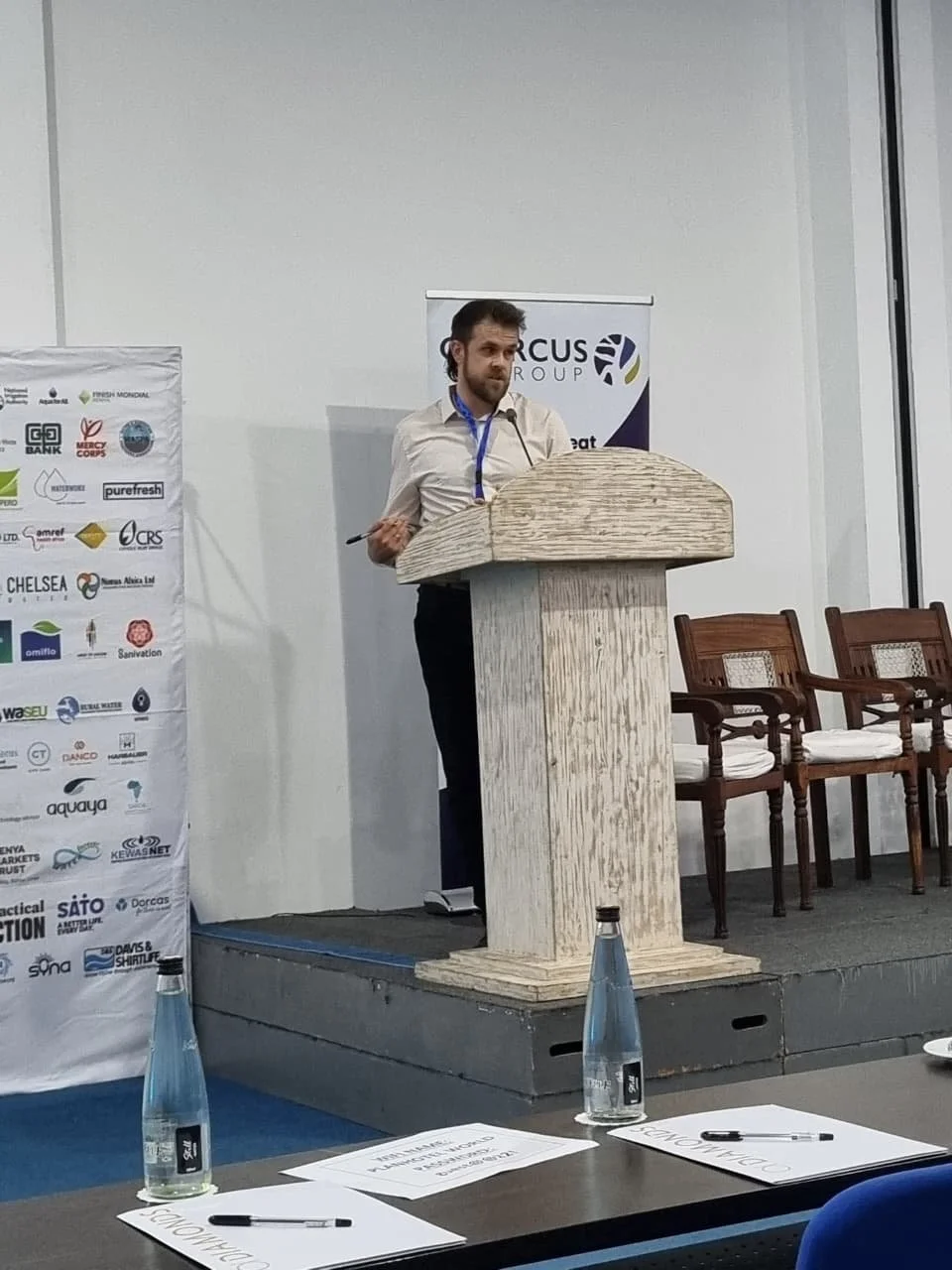
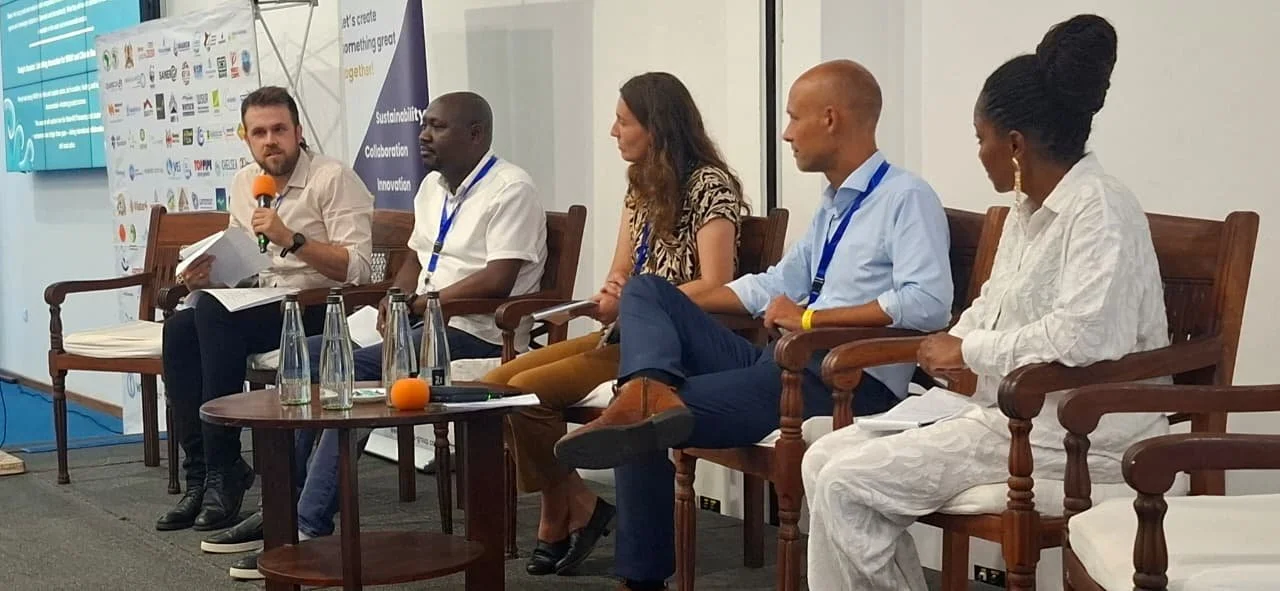
Throughout the week, Scott delivered a welcoming speech, hosted a panel on the Water4All Partnership, and facilitated an ICN Challenge with Kenya’s Water and Sanitation Providers Association (WASPA). Each activity echoed the same insight:
Kenya is rich with WASH solutions and innovative capacity, but scaling them requires stronger coordination and long-term structures.

The heart of the challenge
During field visits and discussions, Scott saw both the fragility and the resilience of Kenya’s water systems.
One memory stands out: hearing from Daniel Bett and the team from Tigal Water Splash working to repair so-called “dead” water pumps—equipment initially installed through development aid but having fallen into disrepair without maintenance structures to maintain them. With the right know-how and tools, these pumps are coming back to life, helping to secure access to safe water for communities.
“This illustrates the heart of the challenge,” Scott explains. “Technology alone isn’t enough. Capacity building, ongoing training, and proper maintenance systems decide whether a community has water tomorrow—not just whether they received a pump last year.”
Connecting the Dots
Scott’s panel for Water4All focused on a core question:
What is missing in Kenya’s WASH innovation ecosystem—and how can national anchors, coordination mechanisms, and project preparation support close the gap?
The answers pointed repeatedly to the need for structured collaboration: shared data, harmonized planning, public–private partnership models, and stronger links between international expertise and local knowledge.
For Scott, these insights aligned strongly with the ambitions of Water4All. With more than 90 partners across 33 countries, the partnership aims to bridge research and implementation, strengthen international cooperation, and bring scalable innovations to the forefront.
“It was quite similar to what we see through ICN’s work,” Scott reflects. “ICN thrives on translating opportunities into action by bringing ecosystems together: clusters, companies, governments, and researchers.”